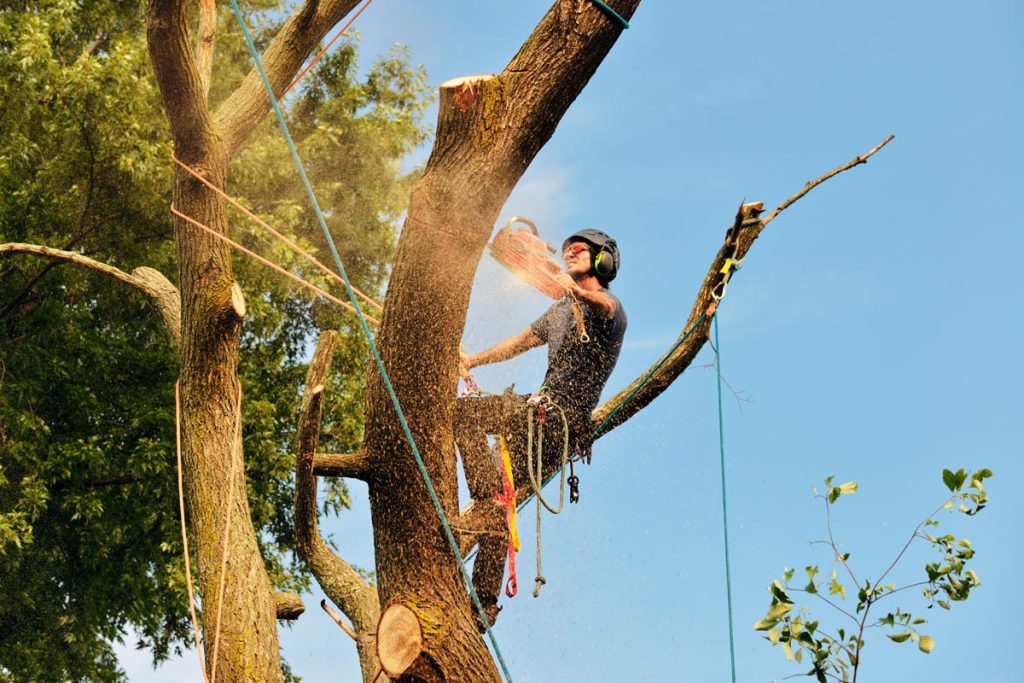
Tree removal is not dramatic. It is decisive.
In Maryland landscapes, from established neighborhoods in Ellicott City to properties throughout Howard County, trees are long-term investments. They add shade, structure, habitat, and serious property value. But when infectious disease enters the picture, strategic tree removal becomes less about loss and more about protection.
Because sometimes saving the landscape means sacrificing the infected tree.
Why Tree Removal Matters When Disease Is Infectious
Not all tree problems spread. Some are stress related. Some are environmental. But infectious pathogens are different.
Fungal and bacterial diseases can spread through:
- Root grafts
- Airborne spores
- Insect vectors
- Contaminated soil
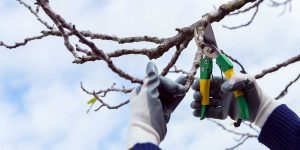
- Pruning tools
The University of Maryland Extension Home and Garden Information Center provides science-based guidance on plant disease diagnosis and management, reinforcing the importance of proper identification before action.
Reference: https://extension.umd.edu/programs/environment-natural-resources/program-areas/home-and-garden-information-center/
When a disease is systemic and infectious, delaying tree removal can allow it to spread to nearby healthy trees.
One infected oak can become three. Three can become ten.
That escalation happens faster than most homeowners expect.
Signs That Tree Removal May Be Necessary
Here is where things get real.
Symptoms like yellowing leaves or minor dieback do not automatically mean removal. However, when infectious disease is confirmed, the risk profile changes.
Common warning signs include:
- Sudden wilting during the growing season
- Progressive canopy dieback
- Bleeding or sunken cankers
- Dark streaking in vascular tissue
- Fungal growth at the base of the trunk
- Rapid decline without obvious drought stress
When vascular systems are compromised, recovery is unlikely. At that point, tree removal becomes a containment strategy.
It is not emotional. It is epidemiological.
How Tree Removal Prevents Disease Spread
Tree removal interrupts the disease cycle in three important ways:
- It eliminates active inoculum sources.
- It stops underground transmission through interconnected root systems.
- It reduces exposure for nearby high-value trees.
Consider oak wilt. This vascular disease can move underground through root grafts. If infected trees are left standing, the disease continues spreading beneath the surface.
Strategic tree removal, sometimes combined with root trenching, can protect an entire stand.
That is not overreaction. That is prevention.
Preservation First, Removal When Necessary
At Prestige Tree Experts, removal is never the default.
Before recommending tree removal, we evaluate:
- Whether infection is localized
- Whether pruning can isolate the disease
- Whether micro-injection treatments are viable
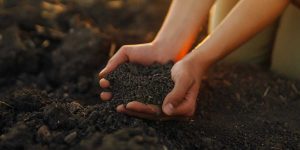
- Soil health and root conditions
- Structural stability and risk
Integrated Pest Management principles guide these decisions.
But when a pathogen is systemic and infectious, keeping the tree may endanger the rest of the landscape.
Sometimes fortitude means acting before it feels urgent.
What Happens After Tree Removal?
Proper sanitation is critical.
After tree removal, we often recommend:
- Stump grinding to reduce fungal reservoirs
- Monitoring surrounding trees
- Soil testing if root pathogens were present
- Replanting with species suited to Maryland conditions
Replanting wisely strengthens the long-term resilience of your property.
Removal is not the end. It is the reset.
Frequently Asked Questions
Can infectious tree diseases spread to healthy trees?
Yes. Many fungal and bacterial diseases spread through spores, insects, or root connections.
Does tree removal always stop the disease?
It significantly reduces spread, but some soil pathogens may persist. Monitoring is important.
Should I wait to see if the tree recovers?
Waiting can increase transmission risk if the disease is infectious and systemic.
Can pruning fix the problem instead of tree removal?
If infection is localized, possibly. Systemic vascular diseases often require full removal.
The Stewardship Mindset
Healthy landscapes do not happen by accident. They happen through informed, sometimes difficult decisions.
Tree removal is not failure. It is protection.
Protecting mature trees across Howard County and surrounding Maryland communities sometimes requires removing one compromised tree before infection spreads.
That decision protects your investment. Your safety. Your landscape’s future.
Schedule a Professional Evaluation
If you notice sudden wilt, unexplained dieback, or signs of infection, do not wait for the problem to multiply.
Our certified arborists provide professional evaluations and science-based recommendations, including responsible tree removal when necessary.
Call Prestige Tree Experts at 240.281.3334 or visit https://prestigetreeexperts.com/ to schedule your consultation today.