If you see exposed wood after pruning or storm damage, you may wonder whether to cover it. If bark is missing or a limb is torn, a tree service can determine whether corrective pruning is needed.
In this guide, Prestige Tree Experts explains why paint or sealer may interfere with wound closure. Sealing a tree wound is rarely necessary.
The Short Answer on Covering Tree Wounds
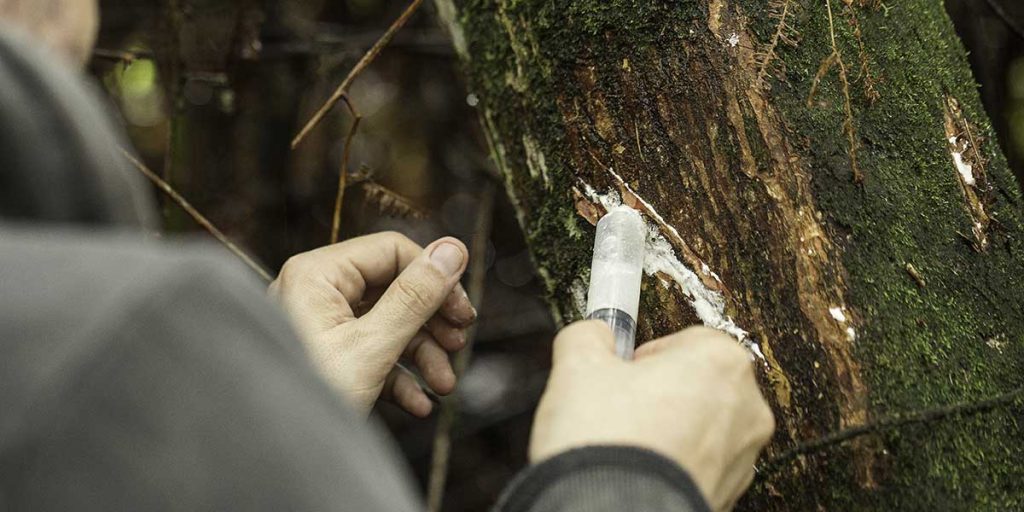
Unlike skin, trees typically isolate an injury instead of repairing it and grow new wood around its edges. Wound paint may be appropriate for oaks. The seal may limit insect-transmitted disease for those specific trees pruned during oak wilt season.
What Happens After a Tree Is Injured?
Chemical barriers form around the damage on a tree as wound wood grows inward from the edges. Through this natural wound-healing process, the plant contains the injury rather than restoring tissue. Smaller wounds may close sooner, though even for big ones, tree experts advise leaving injuries uncovered.
What Goes Wrong When You Cover a Tree’s Wound?
Sealing tree wounds can interfere with natural defenses:
- Trapped moisture: A tree wound sealer may hold moisture against the wood, inviting decay.
- Restricted closure: Some wound dressing paint may slow new wood formation over the injury.
Coatings can also hide color or texture changes that could indicate a problem.
Knowing When a Tree Wound Is More Than Cosmetic
Skipping a sealer does not mean ignoring the tree’s injury. Watch for:
- Spreading discoloration: Expanding dark areas or bark damage may indicate a worsening injury.
- Fungal growth: Mushrooms or shelf-like conks may indicate internal decay.
Damaged tissue can also admit pathogens, so watch for signs of tree diseases near the wound and throughout the canopy. An arborist can determine how deeply the damage extends and whether weakened wood could fall toward the home or across a frequently used outdoor walkway. A split trunk or partially attached limb needs urgent assessment.
How To Respond When a Tree Is Damaged
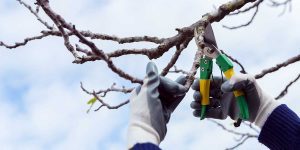
Keep mowers and string trimmers away from the trunk, and avoid applying paint or tar. If a branch needs removal, an arborist can make clean pruning cuts outside the branch collar to limit the wound area and help prevent decay. Proper cuts can also encourage closure more effectively than routine tree wound sealing.
Ask Prestige Tree Experts About Next Steps
Overall health and structure affect a tree’s wound closure. Before scheduling care, learn what to look for when choosing the right company.
Prestige Tree Experts provides arborist services, including pruning performed according to ANSI A300 standards. While sealing a tree wound is not typically recommended, you can call Prestige Tree Experts at (240) 281-3334 for an assessment and advice on how to proceed.
Frequently Asked Questions
Here are some common questions homeowners ask about tree care.
Should You Cover a Pruning Wound?
Usually not. Most pruning cuts should remain uncovered.
Can Wound Paint Prevent Decay?
Coatings typically do not prevent decay and may trap moisture.
When Should an Arborist Inspect a Tree Wound?
Ask an arborist to inspect the tree if you see trunk splits or limbs hanging loose. Deep wounds also need prompt attention.