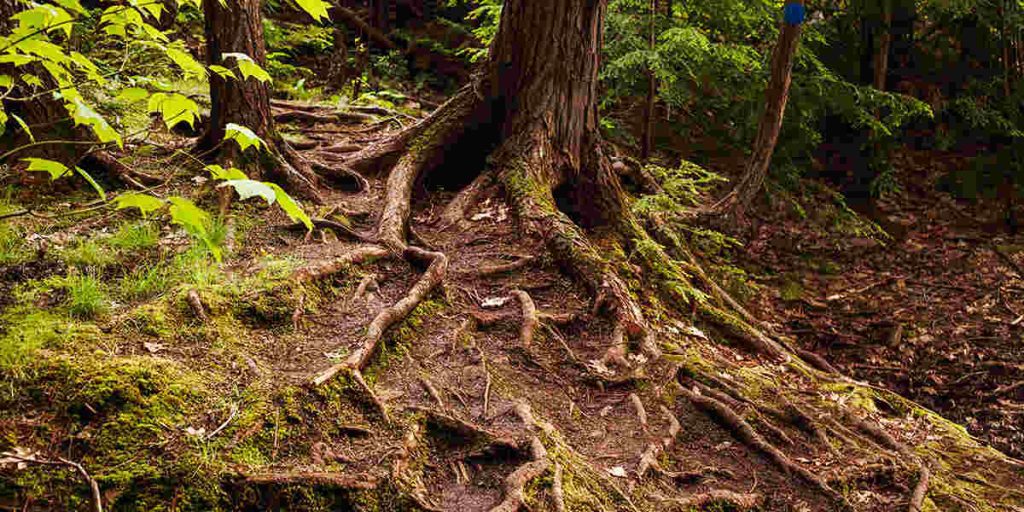
Exposed tree roots can make mowing difficult and create tripping hazards, leaving many homeowners unsure of what to do. The problem is more common than most people realize, and the risks of handling it incorrectly are easy to underestimate.
Can you cut exposed tree roots? Prestige Tree Experts, a trusted tree service in Jessup, MD, explains what homeowners should know first.
Why Tree Roots Come to the Surface
Roots don’t appear above ground without a reason. Understanding what’s driving them up can help you address the problem without creating a bigger one.
Common causes of exposed tree roots include:
- Shallow root systems: Some tree species naturally develop roots close to the surface, increasing the likelihood of exposure as the tree matures.
- Soil erosion: Wind, rain, and foot traffic can wash away the soil covering shallow roots over time.
- Compacted soil: When soil becomes too dense to allow proper oxygen flow, roots push upward to survive.
- Space restrictions: Sidewalks and foundations can redirect root growth upward when there’s nowhere else to go.
Learning more about tree roots can help you understand why they become exposed before deciding how to address the problem.
When Cutting May Be an Option
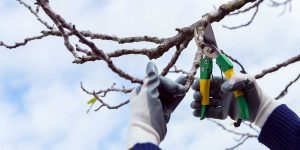
Tree root pruning requires careful judgment. Roots that are thin and located well away from the trunk are generally safer to cut than large ones close to the base.
As a general guideline, avoid cutting roots wider than two inches or removing more than about 15% of a tree’s surface roots at one time. You should also wait two to three years before pruning the roots again to give the tree time to recover.
Can you cut exposed tree roots close to the trunk? No, because roots near the base of the tree provide structural support and direct water and nutrients upward. Cutting them can compromise tree stability and leave it vulnerable to falling during storms.
The Risks of Cutting Tree Roots
Root damage doesn’t always show up immediately. A tree may appear healthy for months after improper root pruning before showing signs of decline.
Risks of improper root cutting include:
- Nutrient and water loss: Severed roots reduce the tree’s ability to absorb nutrients and water from the soil, which can be further compounded if you neglect seasonal tree health checks during peak growing seasons.
- Increased vulnerability to disease: Open cuts create entry points for pathogens and pests, making it vital to practice proper summer fruit tree care to protect wounded specimens from seasonal infestations.
- Structural instability: Removing support roots can make a tree more likely to lean or fall under stress.
These risks are why consulting a certified arborist before cutting is strongly recommended, especially for larger or older trees.
Safer Alternatives to Cutting
In many cases, cutting isn’t the best first step. Tree health can often be preserved while still addressing the surface problem through other approaches.
Mulching is one of the most effective alternatives when you’re wondering, “Can you cut exposed tree roots?” without creating a bigger problem. A thick layer of mulch over the exposed root area protects the roots, reduces foot traffic, and improves the look of the space without requiring any cuts. It also reduces mowing hazards without putting the tree at risk.
If roots are damaging pavement or structures, working around them with raised planters or modified landscaping may be more effective in the long term than removal. Improving soil quality through aeration can also reduce the conditions that push roots to the surface in the first place, aligning closely with routine spring pruning maintenance practices for overall arboricultural health.
Frequently Asked Questions
Here are answers to questions homeowners commonly ask about exposed tree roots.
Winter and early spring are generally the best times, as trees are dormant and better able to recover from root loss.
A general guideline is to cut roots that are at least five times the trunk diameter from the base.
Yes, particularly if large or structural roots are cut, since older trees have less capacity to recover from significant root loss.
Let Prestige Tree Experts Help You Make the Right Call
Can you cut exposed tree roots without harming the tree? Sometimes, but it requires careful evaluation of which roots are structural and how much of the root system would be affected.
At Prestige Tree Experts, we help homeowners in Jessup, MD, evaluate root problems and determine the safest solution, whether that means targeted root pruning or addressing compacted soil around trees. If you’re dealing with exposed roots and aren’t sure what to do, call us at (240) 281-3334 to schedule an assessment with our team.