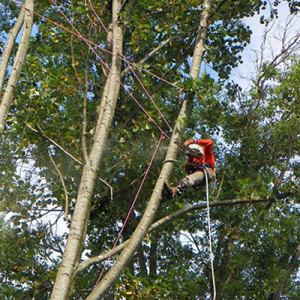
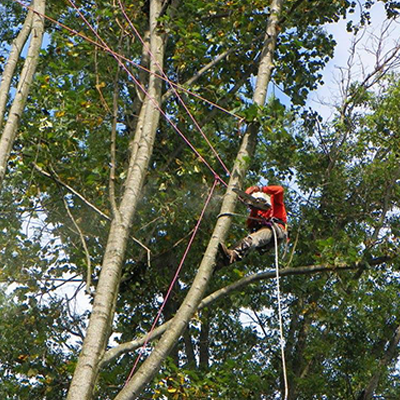
Storm season has a way of exposing every weak branch you hoped would “just hold on.” Spoiler alert, it won’t. And when it doesn’t, it usually happens at the worst possible time, during high winds, heavy rain, and when your home is directly in the line of fire.
That is exactly why Tree Trimming before storm season is not just a nice-to-have, it is one of the smartest preventative steps a homeowner in Maryland can take.
If you have ever driven through areas like Columbia or Ellicott City after a summer storm, you have seen it firsthand. Downed limbs, split canopies, and trees that could have been saved with proper pruning months earlier.
Let’s talk about what actually matters, and what you should be doing right now.
Why Tree Trimming Matters Before Storm Season
Trees are living structures. They grow, adapt, and sometimes struggle. Over time, they develop weak points such as:
- Dead or dying branches
- Dense canopies that catch wind like a sail
- Poor branch unions with included bark
- Structural imbalance
These issues are not always obvious until a storm hits. Then suddenly, that small problem becomes a major hazard.
According to plant health research, symptoms like dieback, decay, and structural weakness often indicate underlying stress that can lead to failure if left unaddressed.
Tree trimming addresses these risks before they become emergencies.
The Two Most Important Services Right Now
When it comes to storm preparation, not all pruning is created equal. Two methods stand out.
1. Canopy Thinning Reduces Wind Resistance
Think of your tree like a parachute. The denser it is, the more wind it catches.
Thinning removes select interior branches to allow wind to pass through more easily. This reduces the chance of:
- Limb breakage
- Uprooting during storms
- Excessive canopy weight
It also improves sunlight penetration and airflow, which supports overall tree health.
If done incorrectly, thinning can weaken the tree. That is why working with professionals matters.
Learn more about professional thinning and pruning here
2. Canopy Cleaning Removes Hidden Hazards
This is where things get serious.
Canopy cleaning targets:
- Dead branches
- Diseased limbs
- Cracked or structurally weak growth
- Water sprouts and suckers
These are the branches most likely to fail during storms.
Removing them does two things:
- Protects your property and family
- Redirects the tree’s energy toward healthy growth
Common Tree Trimming Mistakes to Avoid
Let’s be honest, a lot of damage comes from well-meaning DIY attempts.
Here are a few mistakes that can make things worse:
- Over-pruning, which stresses the tree and leads to weak regrowth
- Topping, which creates unstable, fast-growing shoots
- Ignoring structural defects, like poor branch angles
- Cutting at the wrong time, increasing disease risk
Improper pruning can actually accelerate decline instead of preventing it.
The University of Maryland Extension highlights that proper pruning improves structure, safety, and long-term health when done correctly.
How Tree Trimming Supports Long-Term Health
This is not just about storms. It is about longevity.
Healthy trees are more resilient. They recover faster and are less likely to develop serious issues like:
- Decay and rot
- Progressive dieback
- Structural failure
Tree trimming plays a key role in preventative care, which reduces the need for costly removals later.
It also supports surrounding plant life. When light and airflow improve, native plants and landscapes thrive with fewer inputs like water and chemicals. :contentReference[oaicite:1]{index=1}
When Should You Schedule Tree Trimming?
Right now is ideal.
Late spring offers:
- Active growth for recovery
- Clear visibility of structure
- Time to prepare before peak storm activity
Waiting until after a storm is reactive. Trimming now is proactive.
FAQs About Tree Trimming Before Storm Season
When is the best time for tree trimming before storms?
Late spring through early summer is ideal. Trees can recover quickly and you reduce storm risk ahead of peak weather.
How much should a tree be thinned?
Typically no more than 15 to 25 percent of the canopy. Over-thinning can weaken the tree and create new hazards.
Can I trim my trees myself?
Small branches, maybe. Large trees or structural pruning should always be handled by certified arborists for safety and proper technique.
What types of branches should always be removed?
Dead, diseased, cracked, or weakly attached branches should be prioritized, especially before storm season.
Final Thoughts, Do Not Wait for the Storm
Storm damage rarely comes out of nowhere. It builds over time through neglect, stress, and small issues that go unchecked.
Tree trimming is your opportunity to step in early, correct those issues, and protect what matters most.
Call to Action
Do not wait until the next storm exposes a problem you could have prevented.
At Prestige Tree Experts, our certified arborists specialize in Tree Trimming, canopy thinning, and canopy cleaning designed specifically for Maryland’s climate and tree species.
📞 Call us today at 240.281.3334 or visit our Tree Trimming service page to request your free estimate.