Winter road maintenance keeps driveways and sidewalks safe, but the salt used to melt ice comes at a cost that your trees pay quietly and slowly. If you’ve noticed brown leaf edges, thinning canopies, or trees that just don’t look right come spring, road salt may be the culprit.
At Prestige Tree Experts, we work with homeowners across Maryland to diagnose and treat exactly this kind of seasonal stress. Understanding how road salt damages trees is the first step toward protecting them. If you’re looking for tree services in Jessup, we’re here to help.
How Salt Actually Reaches Your Trees
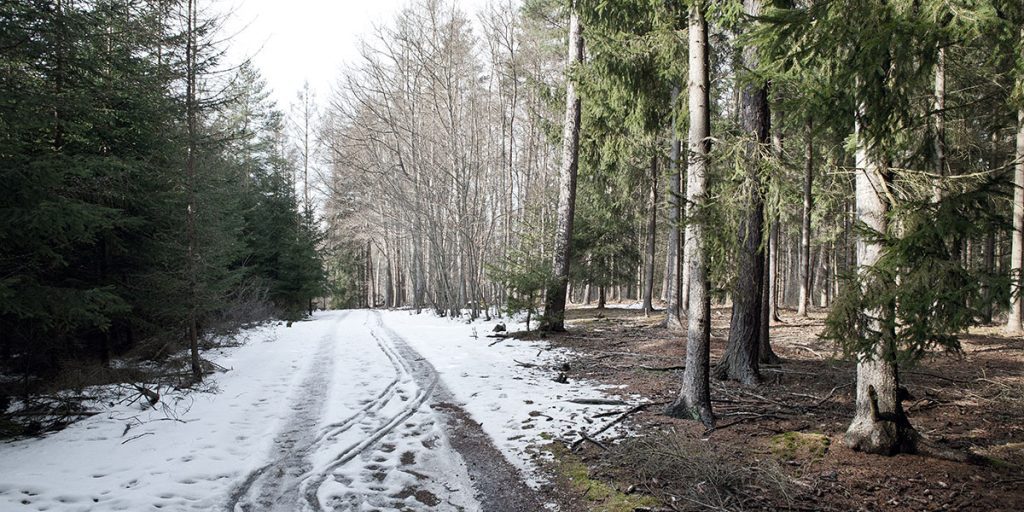
Road salt doesn’t have to touch your tree directly to cause harm. Salt gets airborne from passing cars, drifts on the wind, and can reach trees 60 feet or more from the road. It also moves through snowmelt that soaks into the ground and pools around the roots. When piles of plowed snow slowly melt in late winter, they release a concentrated dose of salt directly where your tree’s roots are working to absorb water and nutrients.
Understanding the anatomy of a tree helps explain why this is so damaging. Roots don’t just anchor a tree. They’re the primary pathway for water and nutrient uptake. When salt enters that system, it disrupts everything.
The Two Ways Salt Harms Your Trees
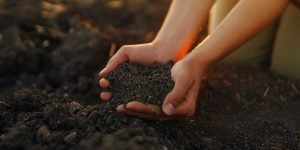
Salt damage to tree roots works like this: Salt breaks down the soil structure, compressing the ground and cutting off oxygen to the roots. At the same time, salt makes it harder for roots to absorb water from the soil and, at high concentrations, can draw moisture out of the roots. The result is dehydration and root damage. The tree is essentially experiencing drought even when the ground is wet.
The second pathway is direct foliar exposure. Salt spray coats buds, twigs, and evergreen needles, typically on the street-facing side only, which is a key diagnostic clue. As salt builds up inside the leaves, it blocks the tree’s ability to photosynthesize and causes leaf scorch and browning, particularly along leaf margins and needle tips.
Soil salinity can build over winters. Trees in low areas, at driveway bases, or downhill from salted walks face increased exposure. The trees and shrubs affected by salt spray near roads can suffer root and foliage damage simultaneously.
The harmful effects of road salt extend to soil as well. Accumulating sodium can reduce water infiltration and harm beneficial organisms.
Symptoms To Watch For
Salt damage may not appear until spring or early summer, making it easy to mistake for other problems. Watch for:
- Brown or scorched leaf edges, especially on leaves facing the road
- Yellowing or browning needles on evergreens
- Smaller-than-normal leaves and early leaf drop
- Dead branch tips or a progressively thinning canopy
- A white crust forming on soil near the road
Evergreens tend to show damage first. Deciduous trees may appear fine all winter, then show damage from absorbed chloride once new leaves emerge.
Which Trees Are Most at Risk?
Sugar maples, red maples, white pines, spruces, littleleaf lindens, and birches are among the most sensitive species. If you have any of these near a heavily salted road or driveway, they deserve extra attention each spring.
For roadside plantings, consider salt-tolerant tree species such as honey locust, bur oak, ginkgo, hackberry, or Kentucky coffeetree. They generally handle salt better, though none is immune.
What You Can Do To Protect Your Trees
Winter tree care and protection begins before snowfall. Shield vulnerable evergreens with burlap on the road-facing side. Apply two to three inches of wood chip mulch around roots, keeping it away from the trunk.
After the ground thaws, deep watering can help flush salt below the root zone if soil drainage allows. Continue watering during spring and summer dry spells, when salt-stressed trees are especially vulnerable.
Limit driveway salt, and consider sand or calcium magnesium acetate near trees. Keep salted snow off root zones.
Let Prestige Tree Experts Help This Season
Salt stress from winter roads is gradual and easy to miss until a tree is already in serious decline. If your trees showed signs of stress last spring, or you want a professional assessment before winter hits again, our team is ready to help. We also recommend identifying tree diseases when assessing salt stress, since both problems can cause similar symptoms and occur at the same time.
Salt-stressed trees may recover with timely care. Call Prestige Tree Experts at (240) 281-3334 to schedule a consultation and protect your trees this winter.