A winter storm leaves a snapped limb hanging above your yard, leaving you unsure whether the tree can recover. It is important to keep everyone away from the affected area while you arrange help from local tree services in Jessup.
Prestige Tree Experts explains how to respond safely to snow and ice damage to trees. This guide covers immediate precautions and how tree professionals determine whether a removal is appropriate.
Secure the Area Before Starting Cleanup
Take these measures until a qualified professional can assess the tree damage:
- Restrict access: Keep people and pets away from the affected tree. Use another entrance if damaged growth hangs above your usual route.
- Remember overhead hazards: Stay clear of hanging limbs and broken tree branches. Never use a ladder or rope to remove suspended wood.
- Report electrical hazards: Stay back and notify the utility if branches touch power lines. Treat every downed wire as energized.
- Request urgent help: Contact a tree professional when damage blocks safe access or threatens an occupied area. Call 911 if anyone faces immediate danger.
Once the immediate hazards have been addressed, ground-level cleanup can begin in areas confirmed safe. Leave any suspended wood to trained professionals.
Let Frozen Branches Thaw Naturally
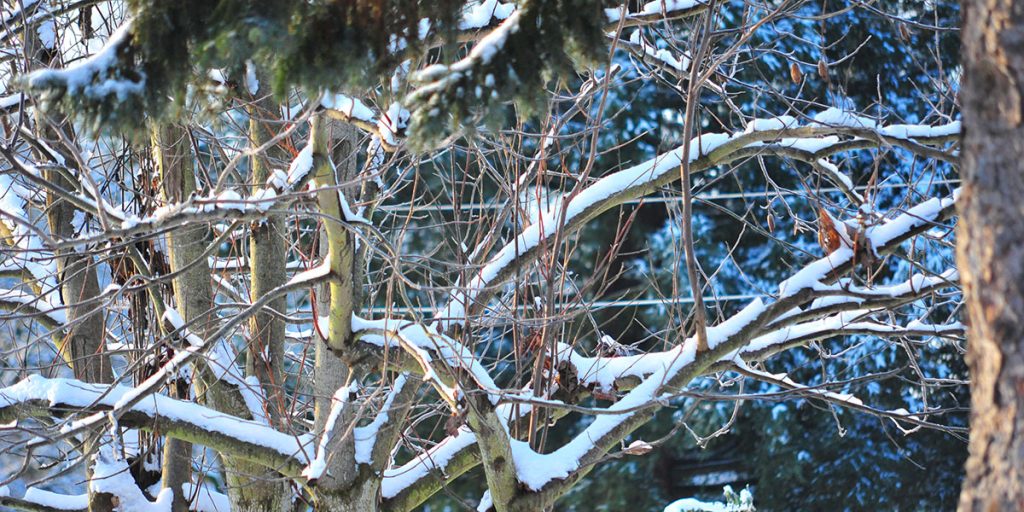
The weight of accumulated ice can bend branches toward the ground. If no immediate hazard exists, allow the ice to melt naturally before assessing the affected limbs. Flexible branches may return to their original positions after thawing.
In the meantime, avoid shaking the tree or chipping away frozen buildup. Sudden movement can snap stressed wood and worsen snow and ice damage.
Have an Arborist Evaluate the Damage
A professional tree damage assessment looks beyond obvious breakage to determine whether recovery is realistic.
How Much Healthy Crown Remains
An arborist evaluates surviving branch attachments and how much leafy growth the canopy can sustain. Losing scattered twigs affects the tree differently than losing major limbs, so ground debris doesn’t show whether recovery is likely. The distribution of remaining growth also influences whether a balanced canopy can develop over time.
Whether the Trunk Has Structural Defects
Splits at major branch unions can weaken the framework supporting your tree. Torn bark may expose living tissue and hinder recovery, especially when an injury extends into the trunk.
Whether the Roots Still Provide Support
A new lean or lifted soil around the base may indicate root movement or reduced anchorage. The arborist weighs these warning signs against the tree’s overall condition when evaluating damage.
Preserve Sound Growth With Corrective Pruning
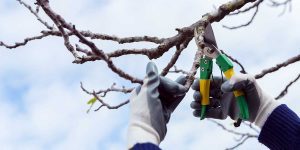
If the structure remains stable after snow and ice damage, corrective pruning may remove compromised wood without sacrificing the healthy branches. Proper cuts preserve the branch collar, which is the swollen tissue where a limb joins the trunk.
Avoid topping, an indiscriminate practice that removes major upper growth. Cutting away too much foliage limits the energy available for recovery.
Recognize When Tree Removal Is Necessary
Extensive root disruption or severe trunk failure may make professional tree removal the safer option. An uprooted mature tree often requires a different response from one with limited crown damage. Base the decision on an individual assessment of structural stability and what the tree could strike if it fails.
Watch Recovery Through the Growing Season
Following treatment, monitor branch tips and leaf density throughout the growing season. New foliage alone does not confirm complete recovery from snow and ice damage to trees. Report any signs of decline to your arborist.
Age and current condition shape expectations throughout the life cycle of a tree. Follow the recommended watering plan during dry weather, and keep mulch away from the trunk. Photographs taken from the same location can document canopy development over time.
Prepare Before Another Storm Arrives
Include preventive winter tree care in your maintenance plan to reduce future snow and ice damage to trees:
- Structural pruning: Schedule selective work while trees are young to encourage stronger branch attachments.
- Snow storage: Direct shoveled or plowed piles away from small specimens.
- Planting plan: Select species suited to the site and allow enough space for mature growth.
While no tree can withstand every storm, these measures can improve resilience.
Move Forward With Prestige Tree Experts
Prestige Tree Experts brings over a decade of experience to tree care. Its ISA-certified arborists and Maryland-licensed tree experts provide assessments and precision trimming based on each specimen’s condition.
Call Prestige Tree Experts at (240) 281-3334 today for help from a certified arborist. If removal is recommended after snow and ice damage to trees, the arborist can also confirm whether you need a permit to remove the tree.