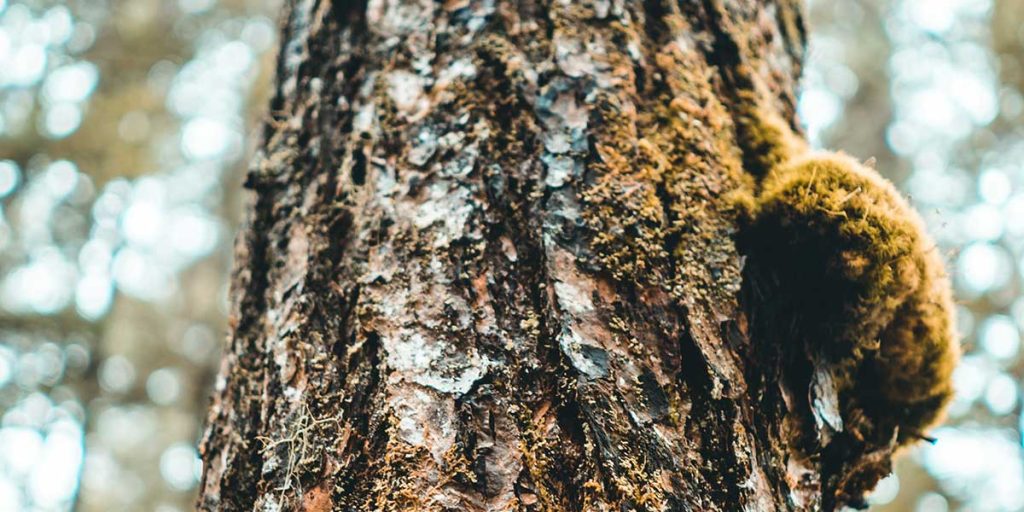
You spot a strange, rounded lump bulging out of your tree’s trunk, and your mind jumps straight to the worst-case scenario. That bump is likely a burl. These knobby growths look alarming, but they rarely signal a death sentence for trees.
Understanding what causes burls in trees can put any worries you have about your plant’s health to rest. As a trusted tree service in Jessup, MD, Prestige Tree Experts explains how burls form and when they require attention.
What a Tree Burl Actually Is
A burl is a bumpy, rounded mass that develops on a tree’s trunk or branch. These growths come from cells that divide abnormally, creating a swollen lump that stands out against the smooth bark around it. They can be as small as a fist or large enough to wrap around an entire trunk.
Most burls are the result of a disrupted growth pattern somewhere in the tree anatomy. However, the good news is that these masses usually grow without compromising the tree’s core systems. That means your tree can keep thriving even with a noticeable bump on display.
Why Burls Develop
Knowing what causes burls in trees helps you tell the difference between a harmless quirk and a real problem. Burls almost always trace back to some form of stress that throws off cell growth. Here are the leading triggers behind tree burl formation:
- Pest damage: An insect infestation in trees can injure the inner wood, prompting the tree to grow extra tissue around the wound.
- Diseases: A fungal infection in trees often forces cells to multiply irregularly as the tree tries to wall off the threat.
- Wounds and impacts: Physical injury to tree bark from mowers or storms can spark a burl as the tree repairs itself, which may also cause tree bark cracks.
- Genetic quirks: Sometimes, a random mutation in the tree’s DNA produces a burl with no outside cause at all.
- Long-term strain: Drought or pollution can wear a tree down over time and disrupt its growth, making fruit tree care more demanding for stressed plants.
These triggers represent a stress response in trees, where the plants react by altering how they grow. The result is that distinctive bumpy mass you noticed on the bark. While most burls pose no threat, a few situations call for a second look.
When You Should Pay Closer Attention To Tree Growths
Understanding what causes burls in trees can help you determine whether a growth is problematic. Keep an eye out for these warning signs that a burl might need professional attention:
- Large burls near the base of the trunk: This combination can weaken the tree’s structure, which can make it more likely to break.
- Signs of decay: Soft or oozing tissue around the burl may point to an active disease problem.
A burl paired with dead branches or thinning leaves suggests the tree is struggling with more than just abnormal wood growth, indicating a need for a tree health evaluation. A certified arborist should assess that tree’s health as soon as possible.
Why Cutting Off a Burl Is Usually a Bad Idea
It can be tempting to slice off an unsightly burl to restore a smooth trunk. Resist that urge, because removal often does more harm than good.
Cutting into a burl wounds the sensitive layer of cells beneath the bark. This open injury can invite decay and disease, turning a healthy tree into a declining one. Leaving a burl alone is almost always the safer choice for your tree’s long-term health.
Trust Prestige Tree Experts To Read the Signs
Now you understand what causes burls in trees and why most of these lumps are harmless reactions to stress rather than imminent emergencies.
If a growth on a tree worries you, calling the professionals can give you peace of mind and a proper diagnosis. You can get in touch with Prestige Tree Experts in Jessup, MD, at (240) 281-3334 to take advantage of a certified arborist’s knowledge and local tree care services.
Frequently Asked Questions
Here are quick answers to some of the questions people ask about these tree growths.
Are Tree Burls Contagious to Other Plants?
No. Burls cannot spread from one tree to another. They form from each tree’s own stress response or genetics.
Can You Use Wood From a Burl?
Yes. In fact, woodworkers often prize burl wood for its swirling grain patterns and use it to craft bowls and furniture.
Can an Expert Detect What Causes Burls in Trees?
An arborist may sometimes pinpoint the exact trigger that caused the burl, but this is rare. What is more important, however, is that these tree experts can tell you whether the growth signals a deeper issue worth addressing.