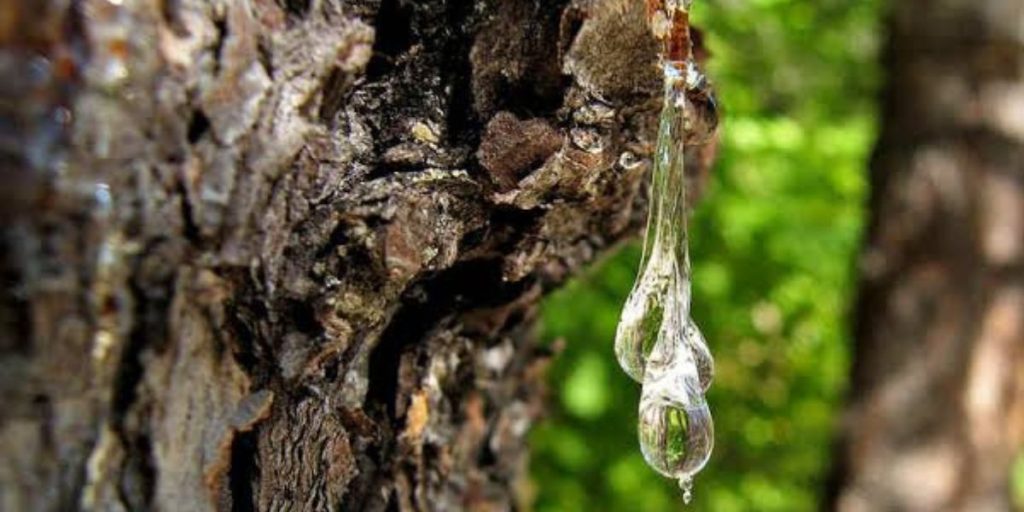
You walk past your favorite oak and notice a thick, sticky substance running down the bark. It looks harmless at first, but when the flow will not stop, it is worth asking what is happening underneath that bark.
At Prestige Tree Experts, our ISA Certified Arborists and Maryland Licensed Tree Experts provide tree care in Jessup, MD. Red oak and black walnut occur locally, so species identification is the starting point when asking, “Why is your tree producing excessive sap?”
What Excessive Tree Sap Really Means
Sap moves through a tree’s inner bark, helping deliver nutrients, so light seepage after pruning is normal. Excessive tree sap becomes a concern when it pools steadily from the same spot or spreads across large sections of bark. Tree sap leakage like this usually points to an injury or a deeper health problem.
How Tree Diseases Contribute to Sap Flow
Some tree diseases and cankers cause dark or gummy fluid to ooze from damaged bark. A sour odor or foamy discharge points more closely to bacterial wetwood, also called slime flux, than oak wilt. Because several conditions can look similar, the fluid’s appearance and location provide clues to the reason a tree keeps oozing more sap than usual.
How Insect Infestations Leave Sticky Residue
Insect infestations can leave sticky residue on sap-producing trees, but that residue is not always sap. Borers may create oozing wounds, while aphids and scale insects deposit sugary honeydew on leaves and surfaces below. For ash trees, emerald ash borer occurs throughout Maryland, with canopy dieback and bark splitting among its typical signs.
How Environmental Stress Affects Tree Health
Drought and extreme heat can weaken a tree without directly explaining the fluid. Near Jessup’s Route 1 corridor, compacted soil may add environmental stress around roots. Sap with thinning leaves or canopy dieback warrants inspection, as the combination may indicate a broader decline rather than ordinary seasonal seepage.
Steps To Take When You Notice Excess Sap
A few checks help determine whether the sap signals a passing issue or something more serious:
- Check for wounds: Look for cracks or bark damage near the sap.
- Track the pattern: Note how long the leakage continues and whether its amount or color changes.
- Trace the source: Determine whether the residue comes from a bark wound or drips from leaves overhead.
- Call a professional: An arborist can assess the likely cause.
Broader guidance on caring for your trees can support routine maintenance while you monitor the affected area.
Trust Prestige Tree Experts With Your Tree’s Sap Concerns
We have cared for trees across Maryland for more than a decade and are members of the TCIA and ISA. We assess the full tree and its surroundings before recommending appropriate care for unusual sap or sticky residue.
Our team can also explain why tree bark has cracks, including when a visible split may indicate a deeper structural concern. If you want a clear answer on why your tree keeps producing so much sap, call Prestige Tree Experts at (240) 281-3334 for service throughout Jessup.